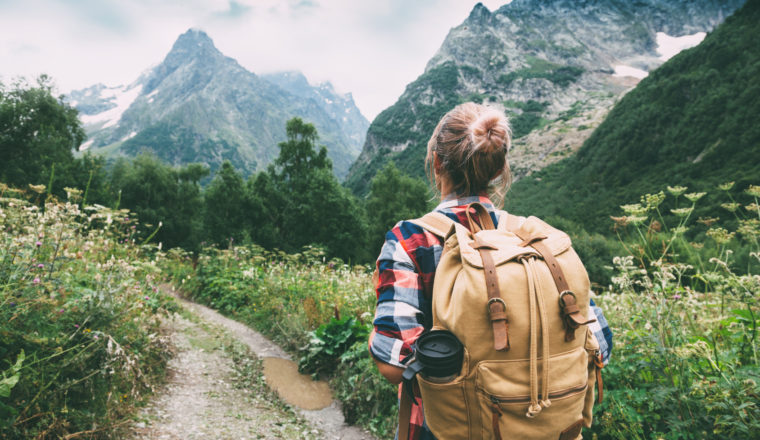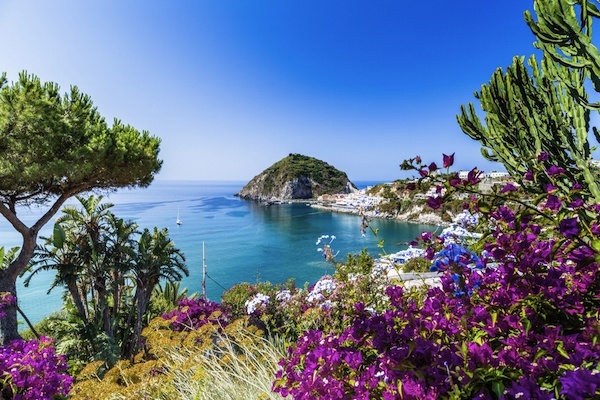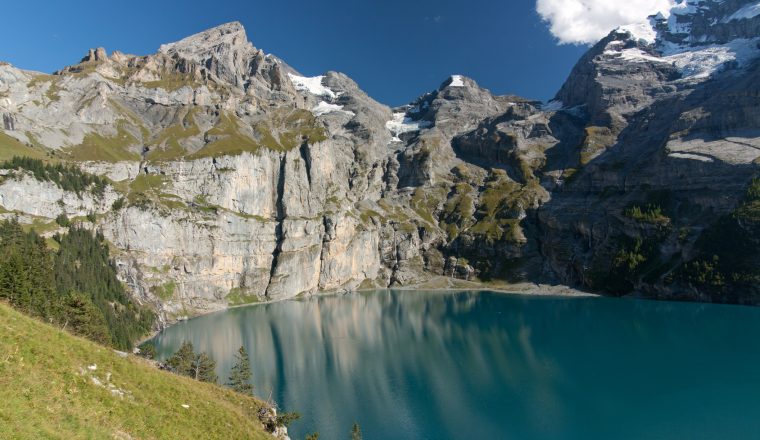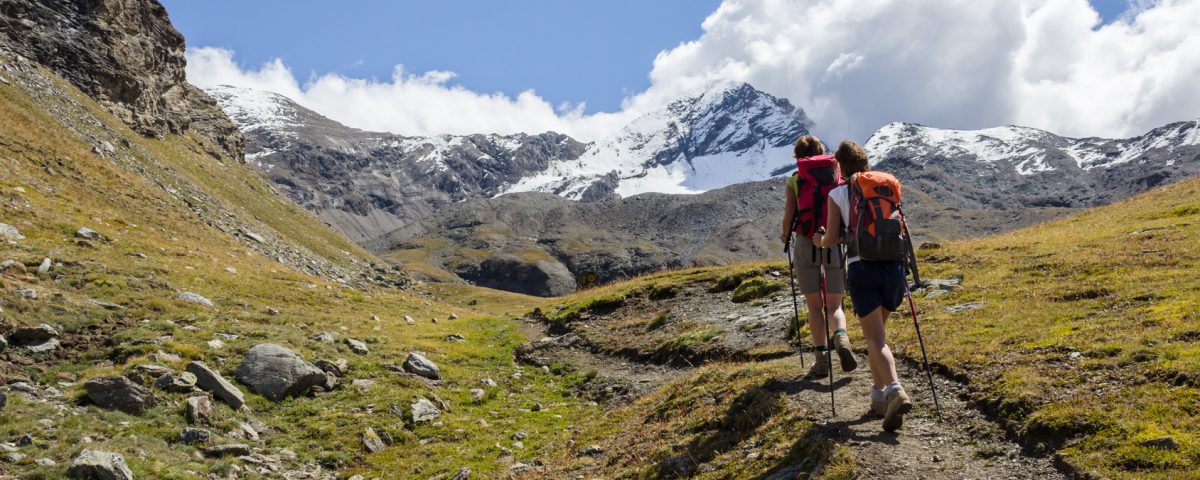
Italy offers a diverse landscape that is best explored at your own pace, where walking in Italy allows you to notice the architecture and local life often missed when moving quickly between destinations. From the jagged limestone peaks of the north to the sun-drenched coastal paths of the south, these self-guided walking holidays in Italy provide the freedom to explore independently while we handle the logistics of luggage transfers and hand-picked accommodation.
Whether you are looking for the quiet trails of the Italian Lakes or the historic charm of walking holidays in Sicily, a walking holiday in Italy combines scenic discovery with the reassurance of expert planning. This guide explores the most rewarding regions for active travellers who prefer immersive cultural experiences over high-adrenaline trekking and seek the best self-guided walking holidays in Italy.
Choosing the right destination depends on your preference for terrain, climate, and local culture. This table compares the primary regions for self-guided walking holidays in Italy to help you decide which route best suits your interests.
| Location | Primary Highlight | Best For Traveller Type |
| Dolomites | Dramatic mountain scenery and alpine meadows | Scenery lovers who enjoy crisp air and mountain vistas. |
| Italian Lakes | Grand villas and panoramic lake views | Couples looking for a blend of gentle activity and refined relaxation. |
| Tuscany | Iconic rolling hills, vineyards, and medieval towns | Culture seekers who enjoy historic landscapes and fine food. |
| Umbria | Quiet olive groves and ancient hilltop retreats | Those looking for a more “off-the-beaten-track” rural experience. |
| Florence | Renaissance architecture and art history | Urban explorers who want to combine gentle walks with cultural immersion. |
| Sicily | Coastal trails and ancient Greek ruins | History enthusiasts who enjoy warmer climates and coastal paths. |
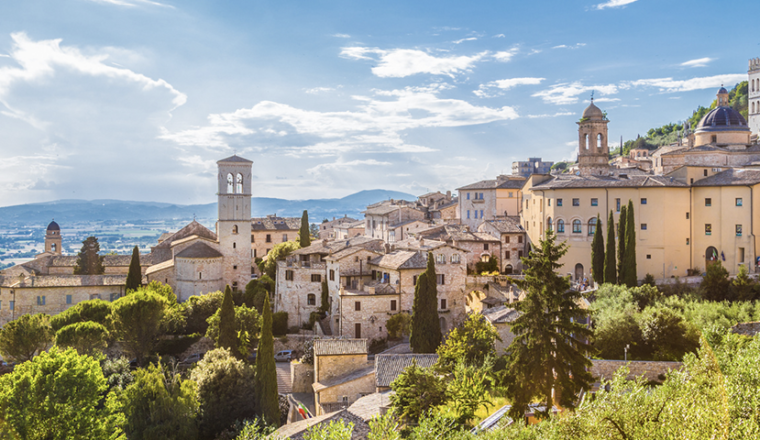
The Dolomites are a UNESCO World Heritage site famous for the enrosadira. This is a natural phenomenon where the limestone walls glow pink at sunset. This region offers some of the best walking holidays in Europe, blending dramatic scenery with an accessible infrastructure.
Unlike technical mountain regions, the Dolomites feature well-maintained paths and an extensive cable car network. This allows you to reach high-altitude meadows like Alpe di Siusi without extreme physical exertion. Whether you prefer easy valley strolls or moderate mountain passes, Dolomites walking holidays can be tailored to the difficulty level you are after.
Walking holidays in the Italian Lakes offer a sophisticated blend of natural beauty and architectural history. The region is defined by its deep blue waters and the dramatic rise of the Prealps, providing a backdrop for some of the most scenic walks in Italy.
The combination of gentle waterfront paths and grand historic gardens makes this a premier choice for self-guided walking holidays in Italy for couples. You can spend your mornings on quiet trails through olive groves and your afternoons exploring the grounds of 19th-century villas. The pace here is relaxed, allowing for long lunches and ferry rides between lakeside villages.
Tuscany is perhaps the most famous destination for Italian walking holidays. The landscape of cypress-lined avenues and golden wheat fields is instantly recognisable and best experienced away from the tourist hubs on the quiet backroads of the Val d’Orcia.
A self-guided walking holiday in Italy through Tuscany usually follows sections of the Via Francigena, an ancient pilgrimage route. Walking allows you to arrive at hilltop towns like San Gimignano or Pienza exactly as travellers did centuries ago. This region is perfect for those seeking the best self-guided walking tours in Italy that combine history with world-class gastronomy.
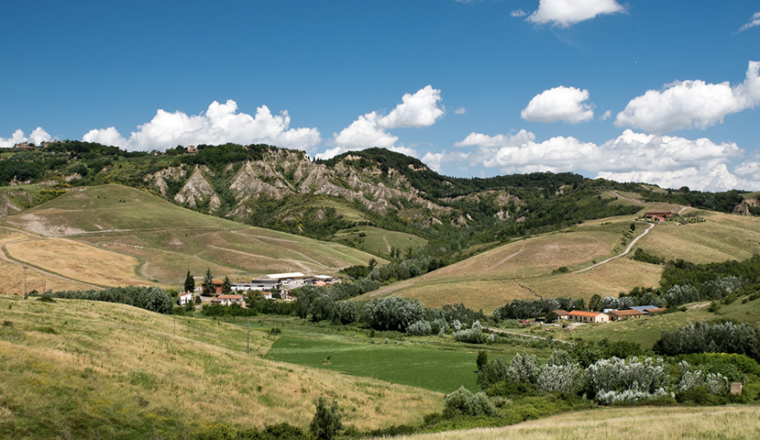
Often called “Italy’s Green Heart,” Umbria provides a more rugged and peaceful alternative to its neighbours. Walking in this region feels like stepping back in time, as the trails are often quieter and the villages less crowded.
Umbria is excellent for those who want a deeply authentic experience. While the terrain can be slightly more undulating than the Tuscan valleys, the routes are well-marked. It is a fantastic destination for self-guided walking holidays in Italy if you enjoy dense forests, silver olive groves, and spiritual history, particularly around Assisi.
Walking is the only way to truly experience the historic centre of Florence. The city is effectively an open-air museum, where a self-guided walking tour of Florence allows you to find hidden courtyards and quiet artisan workshops far from the main tourist squares.
The compact nature of the Renaissance centre means you can visit the Duomo, the Uffizi, and the Oltrarno district entirely on foot. The historic layout of Florence predates the age of cars, making its compact scale perfectly suited for discovery at a walking pace. This allows you to notice the subtle architectural details on historic palazzos that fast-moving travellers often miss.
Walking holidays in Sicily offer a starkly different landscape to northern Italy, defined by rugged coastlines, ancient Greek ruins, and the towering presence of Mount Etna. It is a destination that rewards those who enjoy combining physical activity with deep historical discovery.
A self-guided walking holiday in Sicily allows you to explore protected nature reserves like Zingaro, where limestone cliffs meet turquoise waters. The trails often lead to remarkably preserved archaeological sites, offering a sense of connection to the past that is difficult to find elsewhere. For those seeking the best self-guided walking tours in Italy, Sicily provides a unique blend of Mediterranean scenery and world-class history.
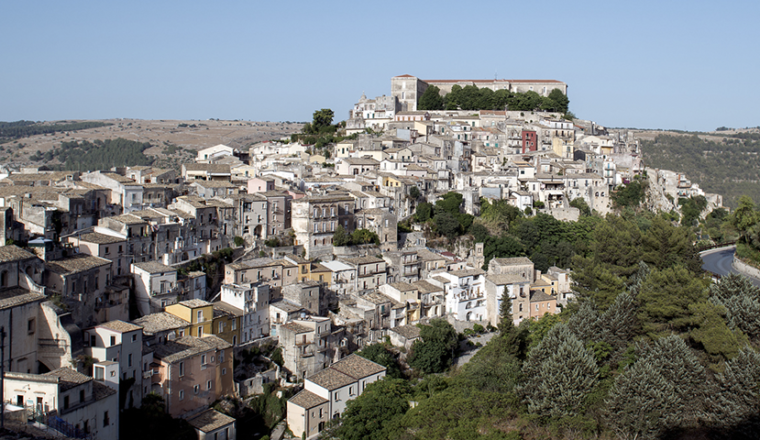
Have you decided which region of Italy best fits your travel style? Whether you are drawn to the dramatic peaks of the north, the rolling vineyards of the centre, or the sun-baked coasts of the south, a walking holiday in Italy provides an unmatched level of immersion and discovery. By choosing a self-guided itinerary, you enjoy the freedom to set your own pace while having the peace of mind that your luggage and accommodation are expertly handled.
If you are ready to start planning your next journey, explore our full range of self-guided walking holidays in Italy to find the perfect route for your next adventure.
We arrange for your bags to be collected from your hotel each morning and delivered to your next destination by early afternoon. This allows you to walk with only a small daypack containing your water, camera, and route notes.
Every self-guided tour includes detailed maps and GPS-ready route notes. Additionally, we provide 24/7 local support, so you always have a point of contact should you require any assistance during your walk.
Many of our Italian routes are popular with solo travellers. The paths are well-marked, and the villages along the way are welcoming, though we always recommend a basic level of navigation confidence for independent walking.
Breakfast is almost always included at your accommodation. For lunch and dinner, our Italy self-guided walking tours are designed to give you the flexibility to sample local trattorias and osterias along the trail, allowing you to discover the authentic regional cuisine of each specific area.
For most routes in Tuscany, Umbria, or the Lakes, a sturdy pair of walking shoes or approach shoes is sufficient. For Dolomites walking holidays or the rocky trails of Sicily, we recommend mid-height boots with good ankle support.
Sign up to receive the latest information on World Walks